What is an FFL Dealer?
An FFL Dealer is a licensed entity that can legally sell, transfer, and sometimes manufacture firearms under U.S. federal law.
- FFL stands for Federal Firearms License.
- The ATF (Bureau of Alcohol, Tobacco, Firearms & Explosives) issues FFL licenses.
- FFL dealers must comply with both federal and state regulations.
Table of Contents
What Does "FFL" Mean?
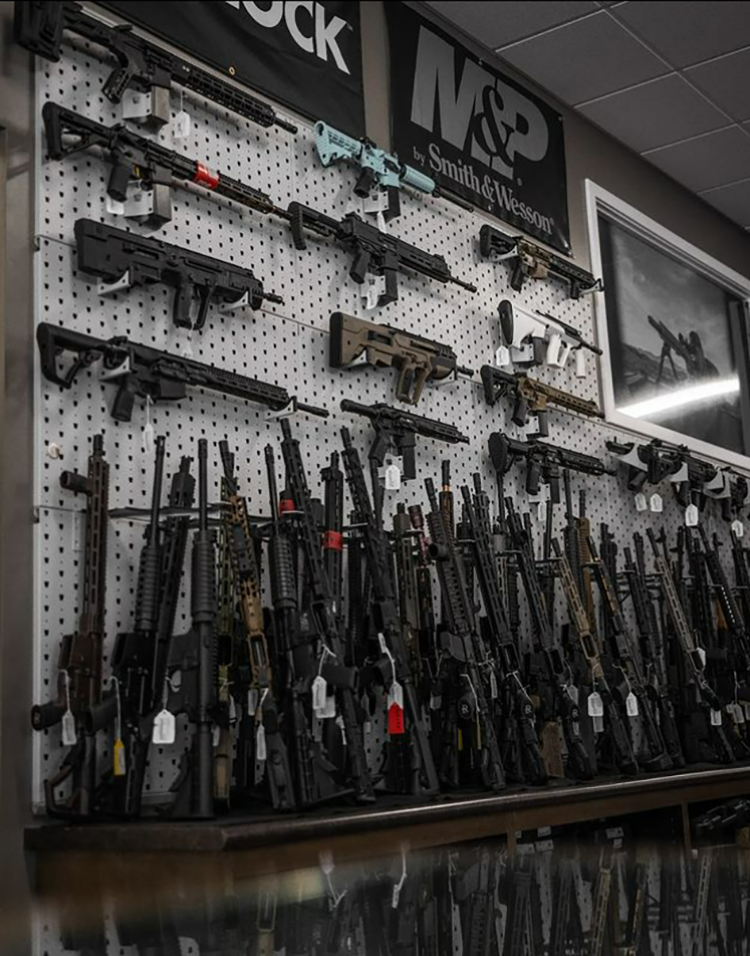
Credit: @readygunner
“FFL” is short for Federal Firearms License. Under the Gun Control Act (1968), any business engaged in the firearms trade must hold an FFL license to sell, transfer, or manufacture firearms. Regierung's license types define specific roles and permissions.
Who Needs an FFL License?
- Any business selling firearms as a trade or business must have one.
- Individuals buying for personal use do not need an FFL.
- Transferring or selling firearms repeatedly as a business without an FFL is illegal under statute.
What is an FFL License?
An FFL License is a legal permit issued by the ATF that authorizes holders to operate in various roles in the firearms industry. The license defines the scope of permissible duties: selling, manufacturing, importing, or dealing in specific firearms or accessories.
Types of FFL Dealers and Licenses
| FFL Type | Category / Role | Description / Permission |
| Type 01 | Dealer | Sell and transfer non-NFA firearms; gunsmithing permitted |
| Type 03 | Collector ( C&R) | Collect Curios & Relics under special rules |
| Type 07 | Manufacturer | Build firearms and transfer to dealers |
| Type 08 | Importer | Import firearms/parts into U.S. markets |
| Type 09 | Special Dealer | Firearms classified as destructive devices |
| Type 10 | Special Manufacturer | Manufacture destructive devices & ammo |
| Type 11 | Special Importer | Import destructive devices & NFA items |
Each license has unique requirements, fees, and restrictions.
What is an FFL dealer?
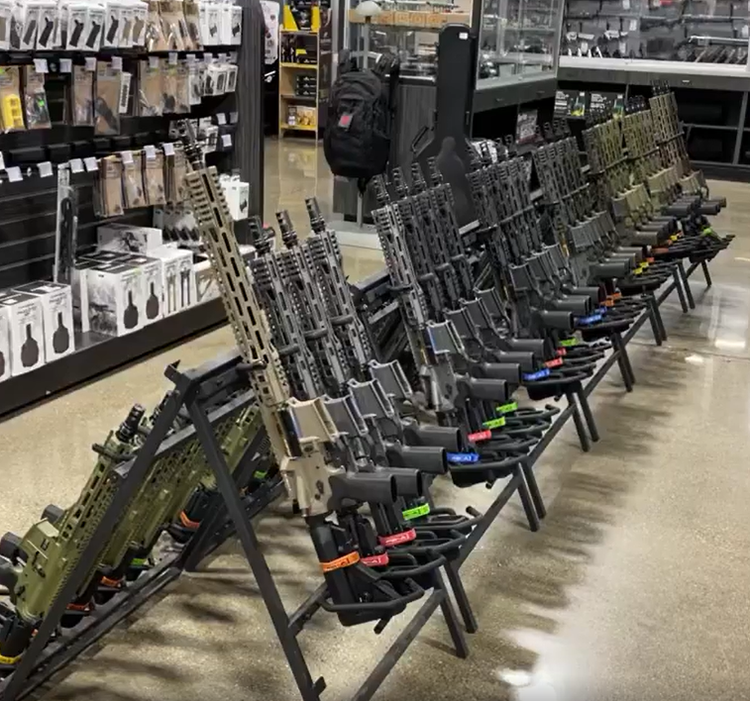
Credit: @uncoiledrange
An FFL Dealer is any business operating under an FFL that handles firearm transactions. Their core activities include:
- Selling & transferring firearms legally
- Maintaining APD (Acquisition & Disposition) records
- Conducting NICS background checks
- Submitting to ATF inspections
- Complying with zoning, age, and state restriction
Buying From an FFL Dealer (Gun Store & Transfer Basics)
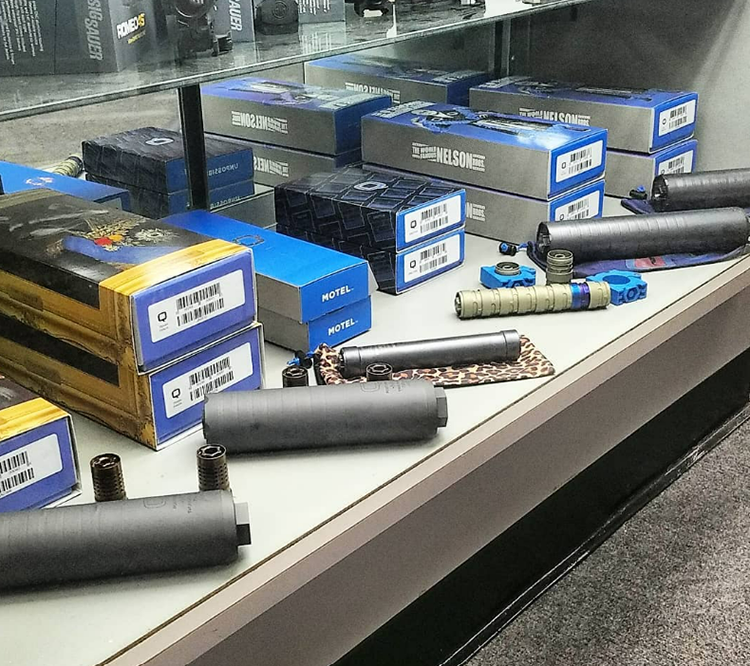
Credit: @whitebircharmory
When you purchase a firearm or suppressor from an FFL Dealer:
- You choose your item, and the dealer transfers it legally.
- On behalf of the buyer, they conduct a background check.
- Transfer paperwork (e.g., ATF Form 4473) is completed.
- You may wait, depending on state laws.
- You receive your item from the FFL once cleared.
Gun laws vary by state: some require a waiting period, permits, or licenses. For example, in Texas, there is often no waiting period; in New York, additional steps may apply.
How to Get an FFL License
To become a licensed FFL:
- Submit an application to the ATF with your business information.
- Pay the applicable application fee.
- Pass background, zoning, and compliance checks.
- Provide fingerprints and photographs.
- Maintain records and abide by inspections.
Once approved, you’ll receive a license allowing you to legally engage in firearms commerce as defined by your FFL type.
FFL Licenses & NFA Items (Suppressors)
Some FFLs also operate as Class 3 / SOT (Special Occupational Tax) dealers. These may handle NFA-regulated items like suppressors, SBRs, etc.
- A Class 3 dealer requires both an FFL and SOT registration.
- NFA rules often require a $200 tax stamp, Form 4 transfers, and registry with ATF.
- Silencer Shop partners closely with FFL/SOTs to ensure smooth, legal suppressor transfers.
FAQ: FFL Meaning, License Types & Dealers
What does FFL stand for?
FFL stands for Federal Firearms License, issued by the ATF to authorize lawful firearm commerce.
What are the types of FFL licenses?
There are 9 core types (01, 02, 03, 07, 08, 09, 10, 11, others). Most users refer to Types 01, 03, 07, and importer types.
Do I need an FFL to buy a gun?
No. Private individuals don’t need an FFL to purchase firearms for personal use.
What is a Class 3 FFL / SOT dealer?
Class 3 dealers are FFL holders who also pay a Special Occupational Tax (SOT) to deal in NFA-regulated items like suppressors.
How do I find a local FFL dealer?
Use Silencer Shop’s FFL Locator tool to find verified dealers in your area who handle firearm transfers and suppressors.