Gunshots are very loud, they exceed the OSHA threshold for permanent hearing damage.
Silencers reduce the sound level of gunshots to a hearing-safe level, protecting your ears.
If you’ve ever wondered what do gun shots sound like in the real world, think sharp crack plus a pressure wave you feel in your chest. A gun suppressor sounds more similar to a low "thud' than a sharp "crack".
Check out our chart below for a full range of decibel ratings of unsuppressed and suppressed firearms and sounds similar to firearms.
Silencer Shop is the easiest way to get a silencer and protect your hearing while you're enjoying your time on the range or in the woods. Below we break down the decibels of a gunshot by caliber and how a suppressor changes both the sound and the feel.
What Does A Gunshot Sound Like?
The tone of a gunshot ranges from high-pitched pistols, which sound like a popping balloon, to larger caliber rifles that have a more boomy sound like thunder. Gunshots also produce concussive muzzle blasts that hit your sinuses and chest akin to the loud bass from a subwoofer. To top it off, if supersonic ammunition is being fired, expect the gunshot noise to sound sharp, like the crack of a whip. Using a silencer drastically reduces the volume and tone of these ear-piercing gunshots down to a level that is much safer for your ears. Suppressed gunshots sound much more like a nail gun that an unsuppressed weapon, and can be even more quiet when usi
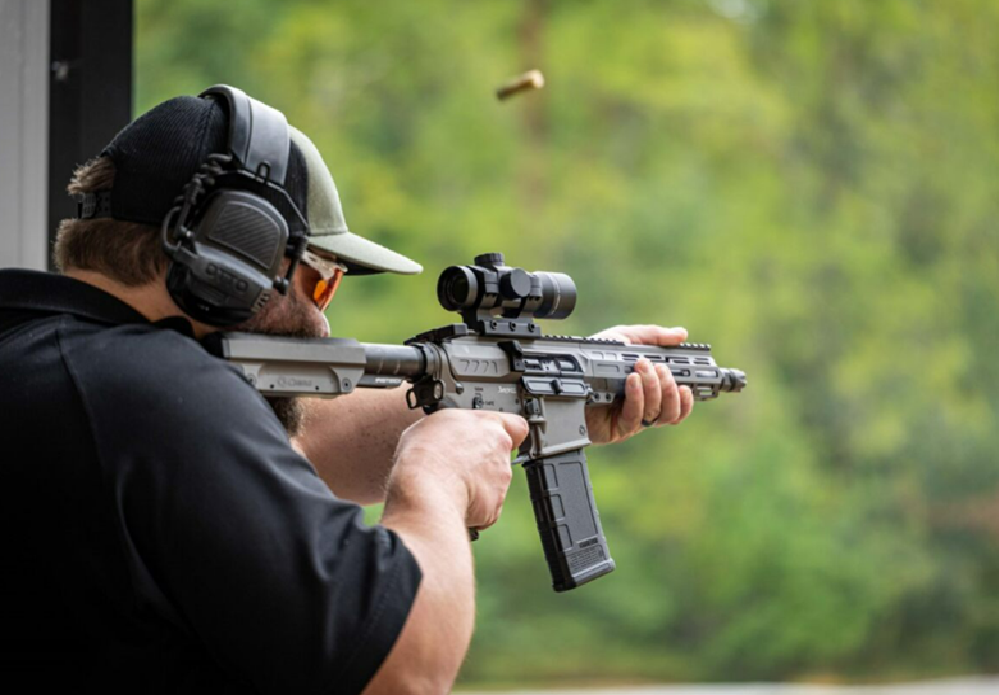
Table of Contents
How Loud Is A Gunshot?
Most gunfire sits well above pain threshold, which is why the loudest guns like .357 Magnum revolvers and .308 rifles routinely measure in the high-160 dB range before suppression.
Most unsuppressed gunshot noise is louder than a fighter jet at takeoff and will cause substantial pain. In fact, gunshots are loud enough to cause some degree of permanent hearing loss after exposure to just a single shot. This is why it is recommended that you shoot with some form of hearing protection or with a suppressor.
Suppressed gunshots take that eardrum-damaging noise level to a much more comfortable and safe volume. By simply attaching a silencer, that fighter jet sound gets dulled down to about the same pressure level as hitting a nail with a hammer.
Loudest Guns (common examples)
- .357 Magnum revolver ≈ 169 dB unsuppressed
- .308 Win hunting rifle ≈ 167 dB unsuppressed
- 5.56 NATO / .223 Rem AR-15 (16 in) ≈ 165 dB unsuppressed
- 9mm full-size pistol ≈ 162 dB unsuppressed
- 12-gauge shotgun ≈ 161 dB unsuppressed
- .22 LR pistol ≈ 157 dB unsuppressed
These numbers illustrate why hearing protection or a suppressor is non-negotiable for frequent shooters.
How Many Decibels Is A Gunshot?
Most centerfire gunshots register roughly 160–168 dB. Decibels of a gunshot drop about 25–40 dB with a quality suppressor, which often moves peak impulse below the commonly cited 140 dB limit for hearing-safe exposure. This is similar to the protection gained from the most common over-ear hearing protection, which has a Noise Reduction Rating (NRR) of 25 to 33 dB.
What Does a Gun Suppressor Sound Like?
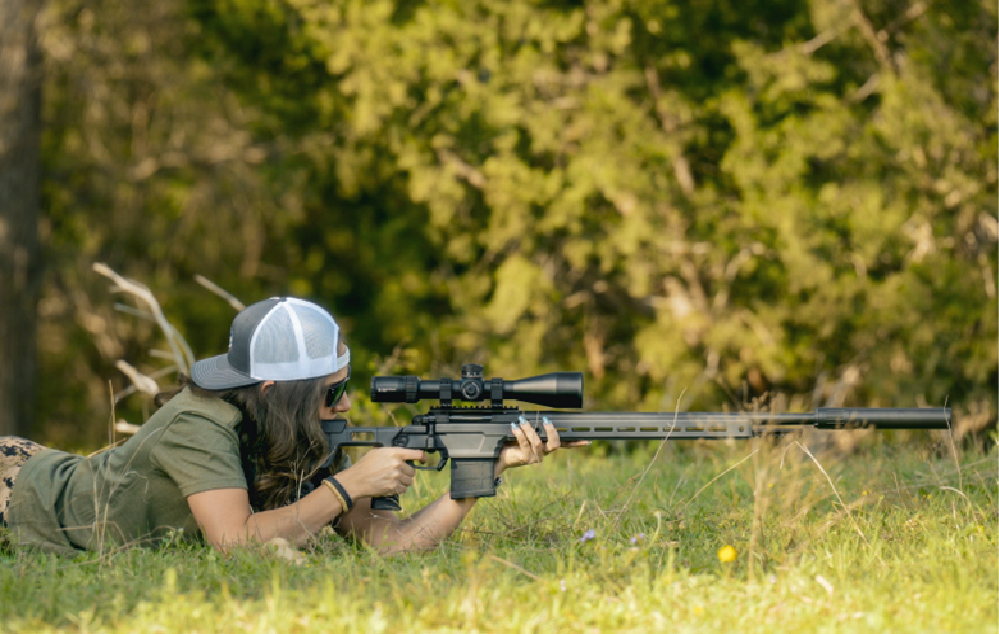
In practice, suppressed fire leans more thud than crack. With subsonic ammo on rimfire or pistol hosts, the gunshot sound is closer to a pneumatic nail gun than a jet taking off. The exact gun suppressor sound varies depending on the caliber, ammunition type, and suppressor design, but the goal is to make shooting safer and more enjoyable by protecting your hearing and reducing noise. With the right suppressor, you’ll experience quieter shots without sacrificing firearm reliability.
Gunshot Decibels by Caliber: Common Firearm Decibel Levels
While exact gunshot decibels by caliber ratings vary based on factors including the manufacturer of the firearm, climate, ammo, and suppressor, the below gun decibel chart is a guideline of gunshot volume unsuppressed and suppressed.
Use this gunshot dB chart to compare the decibels of a gunshot across popular calibers, both unsuppressed and suppressed.
UNSUPPRESSED dB CHART |
|
| Firearm | Decibel Levels |
|
.357 Magnum revolver |
169 dB |
|
.308 Win hunting rifle |
167 dB |
|
5.56 NATO / .223 Rem AR-15 w/ 16-inch barrel |
165 dB |
|
9mm pistol, e.g. GLOCK 17 |
162 dB |
|
12 Gauge shotgun |
161 dB |
|
.22 LR pistol |
157 dB |
|
.22 LR rifle firing subsonic ammo (e.g. CCI Standard Velocity) |
140 dB |
SUPPRESSOR dB CHART |
|
| Firearm | Decibel Levels |
|
.308 Win hunting rifle |
134 dB |
|
5.56 NATO / .223 Rem AR-15 w/ 16-inch barrel |
136 dB |
|
9mm pistol |
124 dB |
|
.22 LR pistol |
118 dB |
|
.22 LR rifle |
113 dB |
Things That Sound Like Gunshots dB Chart |
|
| Firearm | Decibel Levels |
|
Thunder |
165-180 dB |
|
Firework |
150-170 dB |
|
747 Engine |
160 dB |
|
Police Siren |
120 dB |
|
Pneumatic Nail Gun |
110 dB |
Un-Suppressed dB Chart
| Firearm | Decibel Levels |
|---|---|
| .357 Magnum revolver | 169 dB |
| .308 Win hunting rifle | 167 dB |
| 5.56 NATO / .223 Rem AR-15 w/ 16-inch barrel | 165 dB |
| 9mm pistol, e.g. GLOCK 17 | 162 dB |
| 12 Gauge shotgun | 161 dB |
| .22 LR pistol | 157 dB |
| .22 LR rifle firing subsonic ammo (e.g. CCI Standard Velocity) | 140 dB |
Suppressor Firearm Decibel Chart
The table below shows the decibel levels of various firearms when equipped with suppressors.
| Firearm | Decibel Level (dB) |
|---|---|
| .308 Win hunting rifle | 134 dB |
| 5.56 NATO / .223 Rem AR-15 w/ 16-inch barrel | 136 dB |
| 9mm pistol | 124 dB |
| .22 LR pistol | 118 dB |
| .22 LR rifle | 113 dB |
Things That Sound Like Gunshots dB Chart
The table below compares the decibel levels of various sounds that can be similar to the sound of gunshots.
| Sound | Decibel Level (dB) |
|---|---|
| Thunder | 165-180 dB |
| Firework | 150-170 dB |
| 747 Engine | 160 dB |
| Police Siren | 120 dB |
| Pneumatic Nail Gun | 110 dB |
Distance Matters
How Distance Affects Gunshot dB
Sound typically drops about 6 dB every time you double the distance from the muzzle. Indoors can read louder than outdoors due to reflections.
Conclusion
Gunshots are loud, really loud, and without the proper hearing protection will quickly cause permanent hearing damage including tinnitus. Luckily, this ear-shattering volume can be easily tamed with the addition of a silencer. When you're shooting suppressed, much of the gunshot sound and nearly all of the concussion is eliminated. Silencers will protect your hearing, improve your shooting experience, and put a smile on your face.
Protect your hearing from permanent damage and upgrade your loadout with a silencer.
Ready to dial back the blast? Start with the right suppressor for your caliber, then follow our easy purchase flow.
FAQ
What do gun shots sound like compared to everyday noises?
Unsuppressed pistol and rifle shots sound like a sharp crack with a concussive shock, closer to fireworks or thunder than a car backfire. Suppressed fire tones down to something akin to a nail gun or hard clap.
How many decibels is a gunshot?
Typical centerfire gunfire measures about 160–168 dB at the shooter. With a suppressor, many setups drop 25–40 dB, and several hosts fall under ~140 dB, the commonly referenced impulse-noise safety threshold.
What are the loudest guns?
High-pressure handgun magnums and centerfire rifles top the list. Examples: .357 Magnum revolvers (~169 dB), .308 rifles (~167 dB), 5.56/.223 AR-15 carbines (~165 dB). Pistol calibers and rimfire trend lower.
What does a suppressor actually sound like?
It removes the harsh crack and a lot of the blast, leaving a duller report. With subsonic ammo, a rimfire or 9mm host can sound similar to a nail gun, while high-power rifles remain audible but far more manageable.
Do gunshot decibels change indoors vs outdoors?
Yes. Indoor reflections amplify perceived loudness and can spike readings. Outdoors generally measures lower at the ear, even when muzzle output is identical.
Is “movie-quiet” realistic?
Not with most centerfire ammo. The sonic crack from supersonic bullets remains even when the muzzle is suppressed, which is why subsonic loads are used for the quietest setups.
Does distance reduce the decibels of a gunshot?
Approximately 6 dB reduction per doubling of distance is a common rule of thumb for point-source sound outdoors, though terrain and reflections change the math.