There are a handful of highly effective suppressor cleaning solvents on the market now, from brands like HUXWRX, C.A.T, and Mil-Comm. These cleaning solutions have made suppressor cleaning and maintenance much easier and more effective than the previous methods.
We have used each of these suppressor cleaning solutions. We'll share when to use each and why you might use one over the other.
Table of Contents
What is Suppressor Cleaning Solvent?
Suppressor cleaning solvents are specially formulated agents designed to break down the lead and carbon fouling that can build up in silencers over time. These detergents are extremely useful for keeping your suppressor clean and removing fouling, which, over time, will reduce your suppressor's performance.
Suppressor cleaning solvents are also made to target only the debris and build-up inside of the suppressor and not to deteriorate or ruin the silencer's finish, which could be an issue with generic cleaners not made for use on silencers.
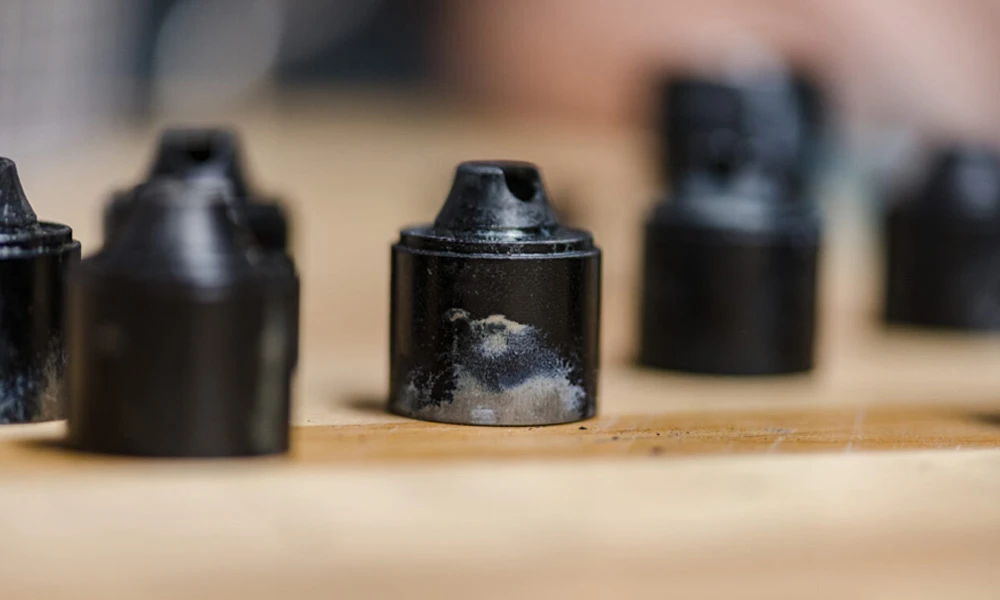
How to Clean a Suppressor
Maintaining your suppressor is an important part of suppressor ownership to ensure excellent performance from your can.
Cleaning a silencer used to involve breaking it down as much as possible, scraping off lead, and scrubbing off carbon using harsh cleaning agents, tools, and elbow grease. It was doable, but it wasn't quick or easy.
Worse, common cleaning solutions could damage your silencer's parts or finish if you aren't careful or use the wrong solvents or methods.
Now, with purpose-made cleaning solvents, cleaning your suppressor is simple. There are two primary styles of suppressor solvents: ones you spray on and then wipe off and others you submerge the silencer in a cleaning liquid.
Best Solvent for Suppressor Cleaning
Determining which cleaning solvent is best for you will depend on the material of your silencer, the design of the suppressor you're cleaning, and the time/effort you want to spend cleaning your cans.
Spray-on solutions are faster but require a bit more work. If you've been looking for how to clean a suppressor that doesn't come apart, submerging solutions make it simple to clean your sealed silencer.
Let's discuss in depth which materials are safe with each solvent, give an overview of how to use them, and discuss the results we got with each method.
C.A.T 206
C.A.T 206 is a synthetic acid-cleaning solvent designed to work with titanium and Inconel silencers only. It is simple to use: Pour the solution into a glass or plastic container (if you have a C.A.T silencer, the case it came in is great for this), then drop your silencer in. Wait 3-12 hours, depending on how many rounds you've shot, then rinse the silencer with clean water and let it dry completely. You can use an air compressor or hairdryer to speed up drying time.
C.A.T 206 is incredibly effective. It quickly dissolves any carbon or lead deposited in your silencer and returns it to optimal performance.
C.A.T recommends cleaning at least every 2000 rounds.
NOTE: Not safe for use on silencers made of materials other than titanium or Inconel.
HUXWRX Suppressor Sauce
HUXWRX developed Suppressor Sauce to make cleaning 22lr silencers and sealed suppressors simple.
Suppressor Sauce is a multi-stage cleaning soak; Part A removes carbon, while Part B removes heavy metals like lead and copper.
The steps to clean your silencer are:
- Mix Part A with water using the included mix tube.
- Place your silencer nose down in the soak tube and add the solution; let it sit for at least two hours.
- Repeat this process for Part B, then rinse the silencer with clean water and let it dry.
Suppressor Sauce is safe for various materials and finishes and has provided great results for cleaning sealed rifle and pistol silencers.
MIL-COMM Suppressor X Cleaning Solvent
MIL-COMM is a leading supplier of metal treatment compounds and cleaners for the U.S. military.
Suppressor X is a 100% biodegradable spray-on cleaning solvent that is safe for use on any material. It can also be used as a gun solvent cleaner, safe for barrel cleaning and maintaining other firearm parts.
Suppressor X is designed primarily for user-serviceable silencers, including many rimfire and pistol-caliber silencers. For the best results, take your silencer apart and spray each baffle with Suppressor X. Let them sit for a few minutes. Wipe them clean with a rag or microfiber towel. For particularly dirty silencers, the use of a nylon brush may help.
Suppressor Cleaning Solvent FAQs
Dedicated suppressor cleaning agents are relatively new, so we have gathered the most common questions on these excellent suppressor maintenance solvents.
What to clean suppressors with?
For the best results, we recommend using a suppressor cleaning solvent such as C.A.T 206, HUXWRX Suppressor Sauce, or MIL-COMM Suppressor X. These solvents make cleaning quick and easy, and help restore your suppressor to optimal performance.
How often do suppressors need to be cleaned?
Rimfire silencers get very dirty very quickly and should be cleaned every 500 rounds or sooner. Centerfire rifle and pistol silencers stay much cleaner and should be cleaned every 2000 rounds or sooner.
What happens if you don't clean a suppressor?
If you don't clean a silencer, lead and carbon build up inside it over time. The carbon and lead take up volume and change the internal design of the silencer, which can decrease performance.
Can you clean a suppressor with brake cleaner?
We do not recommend using brake cleaner on silencers; it can cause pitting on certain materials and can destroy common silencer coatings.
Conclusion
Maintaining your suppressor's performance and longevity is crucial, and using the proper cleaning solvent can make this process much easier and more effective.
Whether you choose C.A.T 206 for its specialized use with titanium and Inconel silencers, HUXWRX Suppressor Sauce for its comprehensive cleaning stages suitable for all materials, or MIL-COMM Suppressor X for its versatility and biodegradability, each will help keep your silencer running at its peak performance.
By incorporating these advanced cleaning solutions into your maintenance routine, you can ensure your suppressor remains in optimal condition and provides reliable performance for years to come.